Entry · Ref GNV-WDJH
From Grassroots to Pro: Era Pickleball coaching Pathways
- Posted
- 2026-09-30
- Last amended
- 2026-09-30
- Account
- @raymondteen994
The pickleball court can feel like a mosaic of tiny victories and stubborn weaknesses. For players who start with a paddle that feels unfamiliar in their grip, the path from casual games at the local rec center to a professional level where sponsorships and travel schedules become real possibilities is less a straight line and more a winding arc. Era Pickleball has built a structure around that arc, a spectrum of coaching, training, and classes that is designed to translate effort into consistent improvement. This article looks at how the coaching ecosystem at Era Pickleball works, why it matters, and how players can navigate it in practical terms, from the first drill to the moment they step onto a court with an eye toward the pro circuit.
A lot of the framework comes down to a simple premise: meaningful learning happens when coaching is accessible, targeted, and aligned with real matches. Era Pickleball classes and training offerings are designed with that aim in mind. They aren’t abstract sessions that promise instant heroics; they are incremental programs that build solid technique, sharpen decision making, and cultivate the mental discipline necessary to compete at higher levels. The result is a scalable pathway that suits different starting points, from someone who can barely keep the ball in play to a former tennis player who wants to translate footwork into quick, effective dinks and drives.
The starting point is often the most overlooked piece of the puzzle: what you actually want to achieve on the court. Do you want to compete in local league play, aim for state qualifiers, or pursue indoor pickleball courts a more structured professional pathway? The answer shapes your initiation into Era Pickleball pickleball classes. For many players, the first experience is less about mastering a single shot and more about building a reliable routine. It means adopting a training mentality that treats practice as a device for consistency rather than a space for improvisation. In this sense, coaching becomes a strategic partner rather than a one-off drill session.
Era Pickleball classes tend to begin with fundamentals that are brutally practical. The first weeks focus on grip, stance, and footwork, the little edges that determine whether a shot lands where you intend it and how much recovery time you have to reset for the next ball. The coaching team blends demonstration with careful feedback. Rather than shouting a vague directive like “hit it harder,” a coach at Era Pickleball will explain the physics of the stroke, point to where the paddle meets the ball, and offer a corrective cue that is easy to remember and quick to apply in a live rally. Players learn to translate dry mechanical concepts into on-court habits.
As players move beyond the basics, the program begins to layer in decision making. This is where the true difference between average rec play and serious development becomes clear. The court becomes a classroom of patterns: when to attack, when to reset, how to leverage the non-volley zone, and how to manage the transition from defense to offense. Era Pickleball coaching emphasizes deliberate practice—short, focused drills designed to be repeated with intent until the signal for automatic execution becomes nearly subconscious. It is a pedagogy that respects the tempo of learning and acknowledges that skill acquisition in pickleball is a sequence, not a single leap.
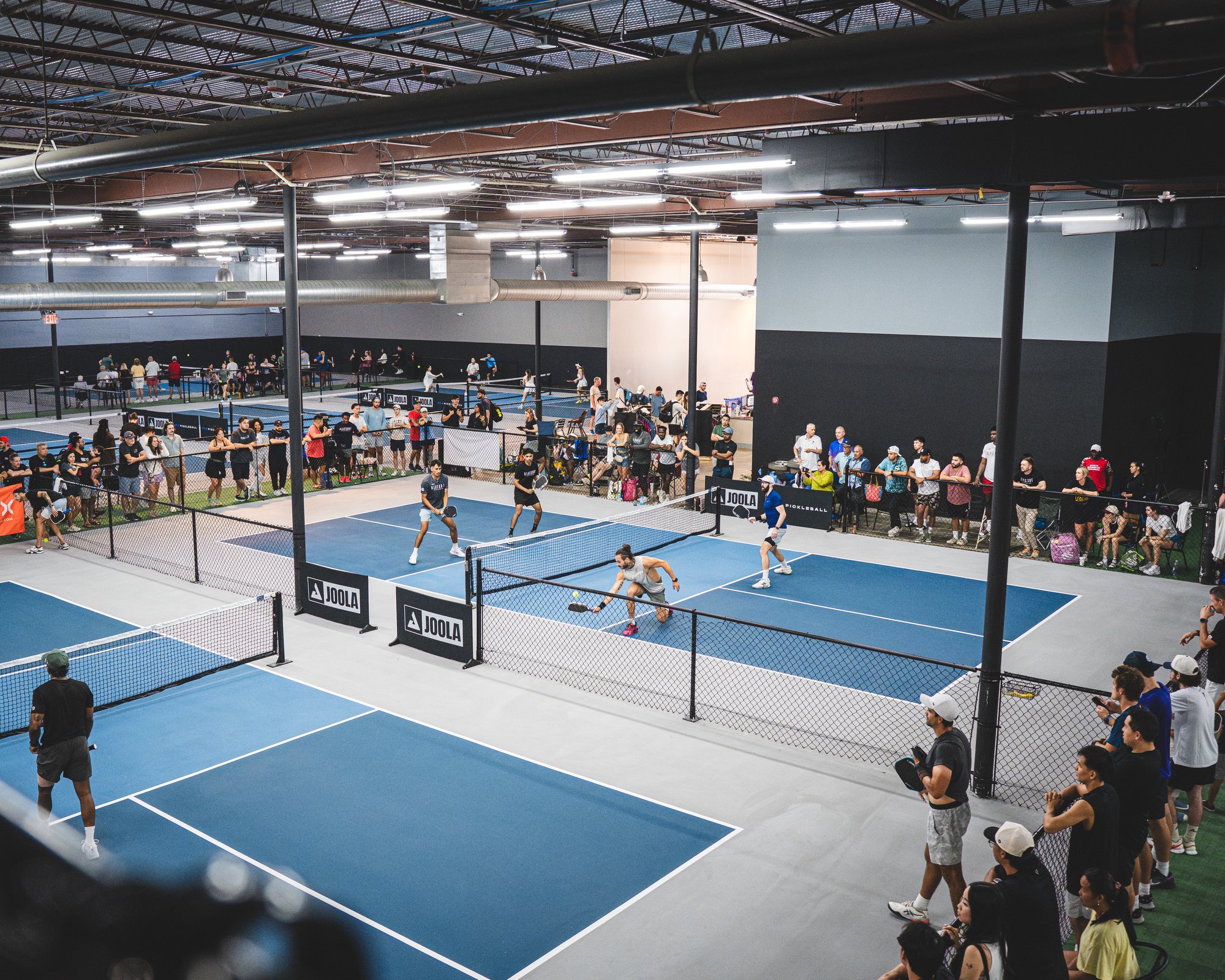
One hallmark of Era Pickleball pickleball training is the integration of match-play elements into practice sessions. Coaches don’t merely have players run through repeatable shots in isolation. They set up scenarios with realistic constraints: a dink-to-dink pressure sequence in the midcourt, a high-speed transition drill after a deep return, or a controlled after-shot that forces a choice on the next rally. This approach mirrors what players will actually encounter in competition, which means the improvements are not theoretical; they are transferable to the scoreboard. The coaching staff is mindful that the goal is not to win every drill but to win the right points in real games.
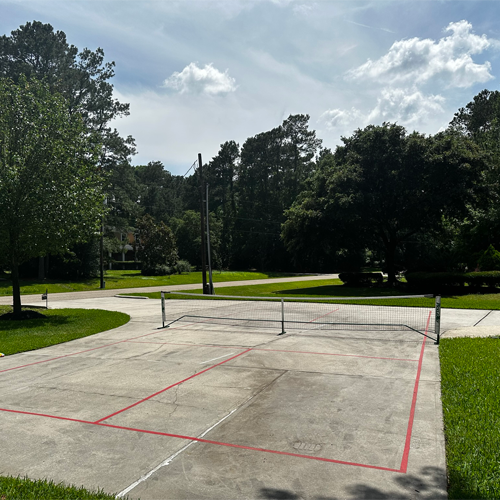
The journey from grassroots to pro is seldom linear. For many, it requires a blend of individual technical work, group practice, and perhaps a period of targeted development in a semi-private or private coaching arrangement. Era Pickleball offers a continuum of options that can be tailored to a player’s timeline and ambitions. From weekly pickleball classes Era Pickleball to more intensive training blocks, the offerings are designed to be modular, so a player can start with a broad introduction and gradually narrow focus as they identify their strengths and weaknesses. Coaches act as mentors as well as technicians, guiding players through the non-technical dimensions of development, including travel logistics, scheduling, sponsorship considerations, and the mental routines that keep performance steady under pressure.
The coaching philosophy at Era Pickleball isn’t about overnight miracles. It is about sustainable improvement built on reliable technique, consistent practice habits, and intelligent competition planning. There is a clear recognition that the market for aspiring pros is competitive and that success requires more than raw talent. It requires structure: a training calendar that insulates players from burnout, a nutrition and recovery plan that respects the demands of frequent travel, and a schedule that balances practice with competition. In practical terms this means a player inherits a plan: a sequence of skill development blocks, a calendar of tournaments or leagues, and a feedback loop that makes adjustments as the player grows.
In many ways the Era Pickleball coaching pathway reflects the rhythm of the sport itself. The first phase emphasizes trust in the fundamentals. The second phase accelerates learning through situational drills and match-play. The third phase tests the system under pressure, pushing players to execute at speed and with accuracy when the stakes are highest. The fourth and final phase, for those who pursue a genuinely serious pathway, centers on professional readiness: sponsorship conversations, media training, travel planning, and the discipline of maintaining peak form across a grueling schedule. Each phase is not an island; it blends into the next as a player accumulates experience and data from actual competition.
The practical realities of this journey vary by geography, availability, and the player’s starting point. In the Era Pickleball ecosystem there is room for the weekend warrior who wants to level up their local league game, as well as for players who someday hope to tour the country. The coaching staff is mindful of these different trajectories and designs programs that can be adjusted to accommodate school or work commitments. Many players enter through a modest slate of pickleball classes at Era Pickleball and discover that the structure of the training and the quality of feedback are a powerful accelerator. Others might begin with private or semi-private sessions that focus intensely on a handful of issues, letting the rest of their game develop at a more natural pace.
The interplay between teaching and playing is essential here. Coaches who value both facets understand that the best improvement often happens when a player has the chance to test new mechanics in the heat of competition. For many players, the best way to confirm a new stroke or a new tactic is to see it in a real match, then receive feedback immediately after the point or during a short break. Era Pickleball coaching embraces that immediacy, pairing on-court practice with debriefs that help players translate what happened on the court into a concrete plan for the next session. This cycle—practice, play, feedback, adjust—becomes the engine of the development path.
A successful transition from grassroots to pro also depends on the player’s willingness to embrace self-management. A lot of the heavy lifting in the professional trajectory occurs off the court: video review, data tracking, and deliberate rest. Era Pickleball encourages players to scrutinize their own play in a constructive way, to watch recordings of their matches with a critical but fair eye, and to map their progress against explicit benchmarks. The coaches provide the framework and the tools; the player supplies the diligence and the curiosity. The result is a partnership that respects both expertise and agency, with a shared objective: consistent improvement that survives the inevitable bumps along the road.
This is a narrative of growth as much as a timeline. It’s about learning how to interpret a scoreboard, but more importantly, learning how to interpret one’s own performance. It’s not enough to hit more winners; what matters is converting those winners into points and ultimately into wins, while also minimizing the outsized impact of errors in high-pressure moments. In practice, this means a player develops a repertoire of reliable shots and situational adjustments that can be deployed with confidence when the crowd gets louder and the pace increases. Era Pickleball coaching helps players build that repertoire without sacrificing balance, which is essential for longevity in any sport, but especially in pickleball where the pace and angles demand constant adaptation.
To make this concrete, consider the typical progression through Era Pickleball pickleball classes and coaching. A beginner will first be introduced to the essential serve, return, and non volley zone technique, with emphasis on court positioning and the rhythm of rallies. As comfort grows, the coaching shifts toward groundstrokes, lob management, and the nuanced art of soft hands that make up the infamous dink exchange. The mid-level stage introduces more aggressive net play, transition shots, and the ability to orchestrate a point with a sequence of controlled attacks. The advanced phase is where players begin to simulate tournament conditions, manage the pace of exchanges, and make decisions with limited time and space.
Throughout these phases, feedback loops are essential. Era Pickleball coaching uses video reviews, quick in-session corrections, and longer-term performance objectives to keep players aligned with their goals. The coaching staff are careful to avoid overloading players with too many adjustments at once. Instead they curate a handful of targeted refinements per phase, ensuring that each new skill is well integrated before the player is asked to master something else. This measured approach is particularly important for players who balance pickleball with school, work, or other commitments. It guards against burnout and keeps motivation high by delivering tangible progress in shorter time horizons.
With that framework in mind, players naturally begin to form a broader understanding of pathways that lead toward pro-caliber play. The Era Pickleball ecosystem does not pretend there is a single ladder to climb. It acknowledges that not every player wants the same kind of professional exposure, and it offers multiple routes—local competition tracks, regional circuits, and more formalized pipelines for those interested in sponsorship or touring. Coaching staff often collaborate with players to map out a personalized plan that outlines milestones, travel expectations, and the types of events that will be most instructive given the player’s strengths and schedule.
One recurring theme across Era Pickleball coaching stories is the value of mentorship. Coaches who have navigated the sport themselves understand the texture of the journey, including the delicate balance between pushing a player to extend their boundaries and recognizing when a limit has been reached for the moment. The human element matters here. Players often describe the confidence boost that comes from a coach who believes in them, who sees potential in a moment where they may only see a rough patch, and who translates that belief into concrete steps that feel achievable. Good coaching is never about vanity metrics alone; it is about sustainable growth and developing a mindset that thrives on incremental gains.
The coaching pathways at Era Pickleball are not static. They evolve with the sport, adapting to new strategies, equipment, and training science. The best programs incorporate feedback from players who have graduated through the system, using alumni experiences to inform improvements that help incoming players avoid common missteps. For instance, older sessions might reveal that early specialization in a single shot could hinder flexibility on court, prompting a shift toward a more balanced early curriculum. The ability to adapt is, in the end, what keeps a coaching program relevant in a sport that rewards creativity as much as it does precision.
If you are contemplating whether Era Pickleball is the right environment for your development, consider a few practical questions. Do you want a clear path with defined milestones, or are you seeking a looser framework that allows you to explore different aspects of the game? Do you need a schedule that fits around school or work, or can you commit to longer blocks of practice and competition? How important is proximity to a coaching staff that understands your local competitive landscape? The answers will shape which entry point makes the most sense, whether it is a series of beginner pickleball classes, a structured training block, or targeted private coaching.
The role of community in this ecosystem should not be underestimated. Era Pickleball fosters a culture where players motivate one another, share match footage, and exchange insights about drills and routines. The social dimension of a sport as accessible as pickleball can accelerate growth when players observe others grappling with similar issues and succeeding. The best lessons are often learned vicariously, by watching a peer solve a problem on the court and then applying the same logic to one’s own game. In that sense, the culture around Era Pickleball coaching is as important as the technical instruction itself. A supportive, challenging, and inclusive community creates an environment where improvement feels both possible and enjoyable.
The question of access touches on broader considerations about equity and opportunity. Coaching programs like those at Era Pickleball can democratize advancement by offering scalable options that accommodate different levels of time, resources, and prior experience. Transparent pathways, clear progression criteria, and a commitment to feedback all contribute to narrowing gaps between beginners and players who have the potential to compete at higher levels. When a program is well designed, it does not simply reward athletic talent; it cultivates the habits and knowledge that allow more players to reach their potential.
In the end, the path from grassroots to pro is less about one perfect breakthrough and more about a sustained sequence of improvements that compound into real capability. This is where Era Pickleball coaching excels. It provides a framework that supports a player across multiple seasons, with the flexibility to adjust to shifting goals, injuries, or life changes. It is not enough to become technically proficient if you cannot translate that proficiency into consistent performance under pressure. The coaching path emphasizes both aspects: the craft of the stroke and the science of competition.
For players who have tasted the thrill of a well-executed dink exchange, the possibility of turning hobby into vocation is not an illusion. It requires bite-sized commitment, a clear plan, and coaches who can read the court with you rather than for you. Era Pickleball classes and training are built to honor that collaboration. They offer a scaffolding that others can learn from as well, a blueprint for those who want to raise their level without losing the joy of the sport along the way.
Two practical considerations tend to shape a player’s success more than any other factor: consistency of practice and quality of feedback. Without consistent practice, even the most promising talent stagnates. Without high-quality feedback, repetition solidifies bad habits or fails to translate into tangible on-court benefits. Era Pickleball coaching addresses both, giving players dependable routines and precise, actionable guidance. The result is a sport experience that remains challenging and rewarding over the long run, with growth that players can feel in their legs, in their shots, and in their confidence.
As you weigh your options, you may find it helpful to picture the coaching journey as a relay. Each stage hands the baton to the next: fundamentals to consistency, consistency to strategic execution, and strategic execution to tournament readiness. Each handoff carries its own set of expectations and responsibilities. The coach provides the technical polish and the strategic framework. The player brings the willingness to show up, to reflect, and to adjust. The partner behind this relay is the support network—the family, the fellow players, and the community that cheers during early morning sessions and late-night drills alike.
For prospective players exploring era pickleball classes or pickleball training at erapickleball.com, the message is practical: start with clarity about your goals, seek feedback from trusted coaches, and commit to a regular schedule that respects your life outside the court. If you are unsure where to begin, a good starting point is to enroll in a beginner pickleball class and pair it with a few private sessions that focus on your most persistent weaknesses. Over time, your plan should become more specialized, more time-efficient, and more oriented toward competition.
Of course, there are edge cases to consider. Some players may discover that a particular coaching style or facility does not fit their learning preferences, or that travel demands make a given schedule untenable. In those cases, the flexibility of Era Pickleball offerings becomes a strength. A player can pivot to a different coaching arrangement, adjust the volume of practice, or switch to a nearby program without losing sight of long-term goals. The objective remains the same: a pathway to growth that respects the realities of life while preserving the joy and competitiveness that drew you to pickleball in the first place.
In closing, or rather in the sense of ongoing evolution, the Era Pickleball coaching ecosystem offers a compelling model for how grassroots interest can scale into professional readiness without sacrificing personal enjoyment or community connection. It recognizes that players come with different starting points, different fears about failure, and different appetites for risk. It provides a language of progression that makes the journey legible, a cadence of practice that makes improvement tangible, and a culture that makes the pursuit of mastery feel possible rather than intimidating. If you are ready to invest in a durable, well-rounded growth plan, Era Pickleball pickleball coaching can be the compass you need on the court.
Two concise guides to help you map your trajectory within Era Pickleball:
-
How to structure your first months in pickleball classes Era Pickleball
-
Join a beginner class to cement the basics of serve, return, and dink
-
Schedule one private session per week to address personal gaps
-
Build a simple weekly routine: two practice days, one light recovery day
-
Track progress with a short journal focused on shot reliability and decision making
-
Review one match video each week with a coach and set a single improvement target
-
A practical lens on moving toward a pro-ready plan
-
Align with a coach who understands competition goals and timelines
-
Integrate regular tournament play or league matches into the schedule
-
Establish measurable benchmarks for technique, speed, and court coverage
-
Create a consistent recovery strategy to prevent burnout and injuries
-
Develop a communication channel with sponsors or program coordinators early on
As you consider the road ahead, the most vital attribute is not talent alone but a willingness to be methodical about improvement. The Era Pickleball coaching framework invites you to pace yourself, study your own game, and lean into the feedback machine that underpins real progress. The sport rewards the player who treats practice as a laboratory, where each drill yields data and each match yields insight. When you approach coaching with that mindset, the journey from grassroots to pro stops feeling like a miracle and starts feeling like a plan you can execute with discipline and confidence.