Entry · Ref Y1X1LTPD
Pickleball Center Era Pickleball: Youth Programs
- Posted
- 2026-09-30
- Last amended
- 2026-09-30
- Account
- @raymondteen994
Energetic kids bring energy into a gym, but a well designed youth program gives that energy direction, purpose, and measurable growth. When you walk into the Era Pickleball Center, you can feel how a space built for speed, precision, and rhythm becomes a learning ground for young players who will, in time, shape the sport beyond their high school years. The imprint of Era Pickleball on youth development runs deeper than court lines and coaching credentials. It’s a philosophy about building confidence, resilience, and social connection through the sport. This is not merely about teaching a shot. It’s about shaping a pathway for kids that respects their pace, adapts to their bodies, and honors the social dynamics of a growing sport.
In real life, a pickleball program for youth is a living system. It begins with the fundamentals and gradually widens to competitive play, but it never loses sight of the core values: safety, joy, inclusivity, and steady skill acquisition. Era Pickleball Center has carved a niche by aligning its youth offerings with the broader mission of the pickleball academy Era Pickleball. The goal is simple on the surface and expansive in practice: empower young players to perform with control and to compete with character.
A crucial element in this ecosystem is accessibility. The sport has exploded in popularity among families who want a safe, constructive activity that blends physical fitness, strategic thinking, and social engagement. Accessibility is a design principle here. The Era Pickleball Center welcomes diverse ages, body types, and experience levels, with pathways that support beginners while providing opportunities for advanced players to refine technique and tactical understanding. The center’s approach to youth programming sits at the intersection of developmentally appropriate coaching and competitive readiness, with a clear scaffold from introductory clinics to more rigorous junior training and supervised tournaments.
For families evaluating options, a major question is cost and value. The pickleball center Era Pickleball understands that time is money for a busy family schedule. Programs are designed to maximize return on time, with efficient coaching blocks, consistent practice cadence, and a calendar that respects school commitments. In practice, that translates to structured practice weeks, predictable progression milestones, and transparent performance reviews. If you are curious about erapickleball.com or the specific routes that lead to a youth’s improvement, you will find that the academy approach integrates several layers: foundational skills, movement and mechanics, game sense, and competitive experience.
This article digs into the heart of the Era Pickleball youth initiative. It looks at how the center builds a culture around learning, how coaches tailor instruction to different developmental stages, and how families participate in the journey. It explores the practicalities of scheduling, facility design, and equipment choices, all anchored by a philosophy that treats pickleball as a lifelong sport rather than a one season endeavor.
A look at the facility makes the program’s ambitions clear. Era Pickleball Center is not a single court tucked into a gym. It is a deliberately designed space with climate control for year-round play, a mix of hard court surfaces tuned for ball bounce and safety, and a layout that supports multi-age groups training in parallel. There are observation zones for parents, safe circulation patterns to minimize interference among training pods, and a whiteboard of daily goals that younger players can understand. The environment matters; it either invites curiosity or it becomes a barrier. On a typical practice night, you will see a dozen or more kids moving between drills and games with the coach’s voice weaving through the gym. The energy is high, but the structure behind the energy is precise enough to feel almost athletic in its rhythm.
Foundational programs are the starting point. For many families, the first real exposure to Era Pickleball Center comes through beginner clinics offered by the pickleball academy Era Pickleball. These are not generic intro lessons but carefully designed sessions that emphasize safe movement, basic shot selection, and court etiquette. The aim is to provide a positive first impression of the sport while protecting developing joints and attention spans. Coaches watch for natural predispositions—hand-eye coordination, footwork speed, and even social readiness in a group setting. When a child demonstrates that a particular skill resonates, the program can steer them toward a more structured pathway within the era pickleball center.
With youth programs, the emphasis shifts progressively from micro-skills to macro-skill sets. A three-tier structure commonly emerges in practice across youth clinics and junior programs:
- Entry level focused on fundamentals, safety, and enjoyment.
- Intermediate level that expands on stroke mechanics, court movement, and basic strategy.
- Advanced junior training, which blends high-intensity drills with match play and tournament preparation.
These tiers rarely feel rigid. Instead, they function as a dynamic ladder. Coaches monitor each child’s development and offer adjustments in pacing or attention to specific aspects of their game. The underlying philosophy is to provide challenges that keep a child engaged without tipping into overload. This is where the partnership with the broader pickleball academy ethos becomes visible. The best youth programs at Era Pickleball Center align daily practice with long-term development, not just the immediate next game.
Coaching is central to the experience. The people who lead youth programs at Era Pickleball Center bring together competitive experience, a knack for teaching, and an understanding of what motivates younger players. In practical terms, that means coaches who can explain a topspin drive with clarity while also modeling proper body position on a return. It means sessions begin with a warm-up period that activates mobility patterns relevant to pickleball, followed by skill blocks that are conceptually linked to the day’s game plan. It also requires a culture where kids feel safe to ask questions, to make mistakes, and to push themselves without fear of embarrassment.
Parental involvement is part of the design, too. Parents are invited to observe the sessions, but not to coach. The expectation is that the coaching staff handles technical feedback, while parents support attendance, logistics, and the development of practice routines at home. A practical outcome of this arrangement is consistency. Children learn to transition from the gym to the car with a sense of cadence because their schedule is predictable, their expectations are clear, and their mood for learning is intact after a structured practice.
Court rental at Era Pickleball Center is a tangible element for families who need scheduling flexibility. The center’s court rental system is built around reliability and access. For families that want to practice outside of formal clinics, rental options provide a way to extend the practice window without the commitment of a recurring program. That flexibility matters because youth development in sport benefits from variety: more reps, more play variety, and a better chance to internalize movement patterns.
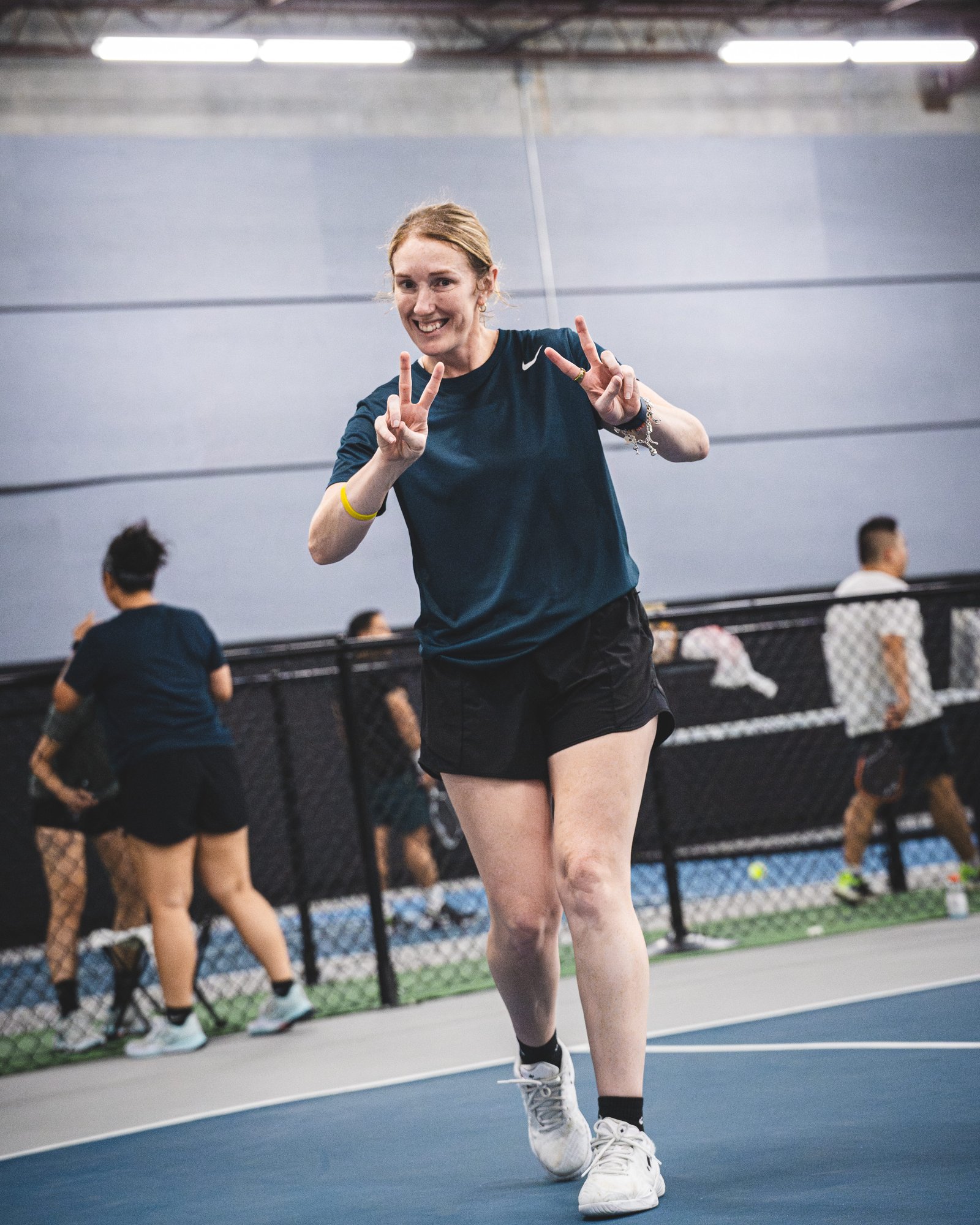
Youth programming is also about the social fabric of sport. In practice, that means structured opportunities for kids to socialize between drills, celebrate milestones, and compete in a community setting that is supportive rather than cutthroat. The Era Pickleball Center environment rewards teamwork and sportsmanship alongside agility and speed. Coaches deliberately design group activities that require cooperation, communication, and problem solving. It’s not unusual to see two teams negotiate a strategy on the fly during a game, then apply it in the next round with visible improvement in teamwork and execution.
The program’s structure includes kid-friendly performance milestones that families can track. These milestones are not a scoreboard in the sense of ranking; they are developmental markers that reflect the child’s readiness to take on more complex demands. Some programs emphasize consistency of shot selection, others track movement efficiency, and still others monitor match awareness and decision making under pressure. When a child passes a milestone, it is celebrated as a natural progression rather than a dramatic leap. The pathway remains visible, and that continuity is what keeps families engaged over multiple seasons.
Consider the equipment and safety standards that support youth programming. Era Pickleball Center prioritizes equipment quality and age-appropriate sizing. Light, manageable paddles with cushioned grips reduce fatigue and wrist strain for younger players. Ball weight and bounce are tuned to create an accessible first experience while ensuring that the sport remains technically challenging enough to progress. The floor must provide consistent traction to prevent slips during quick lateral movements. In the practice environment, coaches emphasize safe behaviors—proper bending at the knees during quick dashes, controlled swings that avoid overextension, and a culture of communication so players understand where others are moving on the court. All of these details matter because one careless moment can sour a child’s impression of the sport, and the Era Pickleball Center takes care to avoid that.
The long arc of youth development at Era Pickleball Center is not a one-season arc. It is a multi-year journey that supports athletic growth, cognitive development, and social competence. A sports experience of this depth can shape a child’s willingness to persevere, to seek feedback, and to balance competition with care for teammates. The center’s approach to youth programs reflects a broader understanding of how kids learn in group settings. It recognizes that motivation comes from meaningful play as much as from structured drills. It also recognizes that progress is rarely linear. There are weeks of rapid improvement, followed by periods of consolidation and stabilization. A good program is ready for both trends, with coaches who can adapt quickly and keep the learning process moving forward.
One of the most practical considerations for families is scheduling. The Era Pickleball Center offers a rhythm that blends school commitments with after-school practice, weekend clinics, and occasional intensive camps during school breaks. Parents appreciate predictability. The calendar at erapickleball.com pickleball center sometimes features community-oriented events that invite families to observe and participate, reinforcing the idea that pickleball is not just a sport for a single individual but a shared family activity. While some families may pursue a formal junior program with a fixed weekly cadence, others opt for a hybrid path that combines court rental experiences with a handful of coaching blocks each month. The result is a flexible ecosystem that can adapt to different levels of commitment and interest.
Two curated lists help summarize the core offerings and the practical tradeoffs to consider when evaluating youth programs at Era Pickleball Center. The first captures the main pathways a young player might follow, and the second highlights the advantages of participating in a structured program versus a more flexible, ad hoc schedule.
-
Core pathways for youth at Era Pickleball Center:
-
Beginner clinics that focus on fundamentals, safety, and basic play.
-
Junior development groups that deepen technique and introduce game strategy.
-
Competitive junior teams that train for tournaments and match play.
-
Specialized clinics targeting movement, footwork, or specific shot families.
-
Summer camps and school-break intensives that accelerate progress during longer breaks.
-
Benefits of a structured program versus flexible scheduling:
-
Clear progression milestones help families plan and track growth.
-
Consistent coaching builds reliable technique and better form reinforcement.
-
Social integration and teamwork grow through regular group play.
-
Access to a community with shared values and a long-term view of development.
-
Efficiency in time management for busy families who want predictable routines.
Beyond the mechanics of training, the human element remains central. Coaches at Era Pickleball Center bring stories of players who started with fear of the ball and ended with confident rallies. There is the kid who began with hesitant forehands and, after weeks of targeted drills, could transition to daylight-fast crosscourt exchanges in a friendly match. There is the shy youngster who learned restraint and etiquette within the group setting, discovering that competition can coexist with kindness. The narratives are real, and they are the measure of a youth program that aspires to be more than a place to learn a sport. It is a community where children learn how to handle both triumph and disappointment.
In terms of outcomes, youth programs at Era Pickleball Center commonly report improvements across several domains. Technical proficiency tends to rise as repetition and feedback refine each stroke. Players often show better footwork and court coverage, particularly when moving from baseline rallying into transition play at the net. Tactical awareness—understanding when to push a point, when to reset, and how to exploit opponent tendencies—also grows as players gain more court time in structured drills and supervised scrimmages. For many families, the social benefits are as meaningful as the technical gains. Children learn to communicate with teammates, accept coaching feedback with good humor, and take pride in contributing to a group effort.
No program is without its challenges, and Era Pickleball Center is candid about those. The balancing act of a youth program requires attention to inclusivity, safety, and the risk of burnout. If a child shows signs of overuse or fatigue, the coaching staff is quick to adapt the plan, reduce intensity, or blend in restorative pickleball lessons near me sessions. That flexibility matters because the sport can entice kids to push beyond healthy limits, especially when success feels tangible and fun. The best centers respond with a culture that places health first, and Era Pickleball Center is explicit about this approach in its communications and day-to-day practice.
Another edge case worth noting is the transition from youth to more advanced levels of play. The most effective programs are those that anticipate this transition and prepare players to step into higher levels of competition without losing the joy of the game. At Era Pickleball Center, that means future-proofing the skill set through a combination of technique refinement, match experience, and mental preparation. It also means communicating clearly with families about the steps involved, the criteria used to gauge readiness, and the options available for continued growth, whether inside the center’s own junior pathway or through affiliated tournaments and partnerships with other institutions.
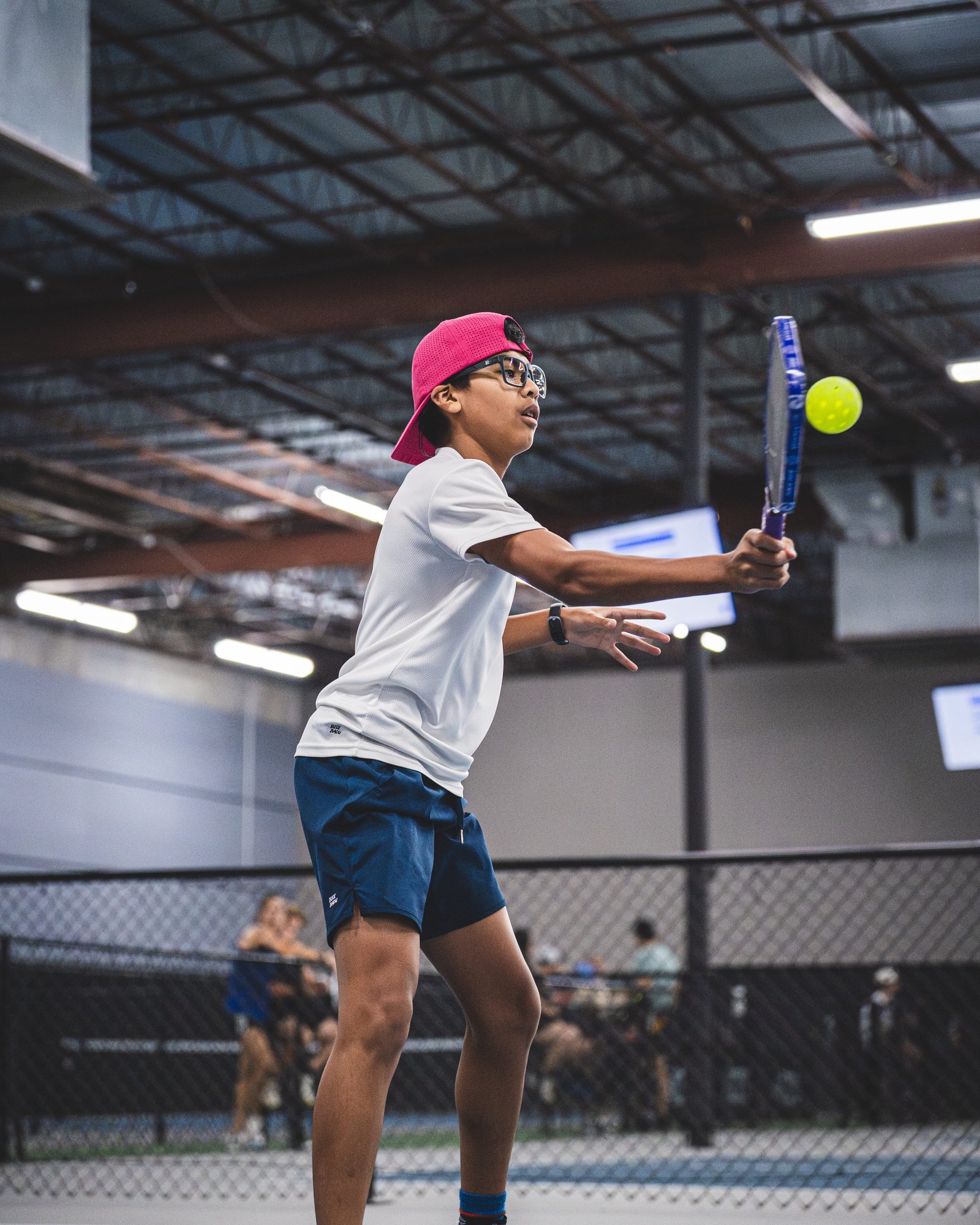
As families consider their options, it helps to think about the long tail of the experience. A child who learns to control a paddle, choose shots, and manage time on court is building a toolkit that goes beyond the sport. The lessons translate to school projects that require focus, teamwork in group activities, and the resilience to handle setbacks. The Era Pickleball Center’s youth programs stand as a practical embodiment of that broader education. The commitment to ongoing improvement mirrors the commitment families make when they register their kids for a season of training, a summer camp, or a string of weekend clinics.
Finally, the question of access to era pickleball center facilities and services matters. The center’s relationship to the community shapes how welcoming the experience feels. The staff’s willingness to adapt to different ages and learning styles, the flexibility in scheduling, and the transparency about what the program can offer all contribute to a sense of trust. Families want to know that their investment will yield tangible benefits without compromising safety or enjoyment. In the narrative of youth development through pickleball, Era Pickleball Center presents a model where the sport’s rapid growth does not outpace the need for thoughtful, careful coaching and a nurturing environment.
The impact is measurable, but not always in the same metrics. Some families track wins and losses, some measure skill progression through return-to-baseline drills, and others observe improvements in confidence at school and in peer interactions. The beauty of this approach is that it makes progress visible in many ways. A child who shows up excited for practice and leaves with a clear sense of success, be it a well-executed dink or a new confident stance in a rally, demonstrates the program’s core objective: to make pickleball a meaningful, enduring part of a child’s life.
In sum, the youth programs at Era Pickleball Center reflect a comprehensive, humane approach to sports development. The center marries careful instructional design with a warm community vibe, grounded by the expertise of a pickleball academy that understands how children learn best. It is an ecosystem that respects the pace of a young player while offering the structure and challenge needed to grow. For families evaluating options, this combination—robust coaching, accessible facilities, family-friendly scheduling, and a clear developmental trajectory—offers a compelling case for choosing Era Pickleball Center as a home base for youth pickleball.
For anyone curious about the practical details, a few considerations tend to shape decision making. First, the age bands and skill levels offered in the junior programs can vary with enrollment cycles, so it helps to check current schedules and talk with the coaching staff about where a child fits. Second, the availability of court rental provides a flexible supplement to formal programs, allowing families to tailor practice time around school and extracurricular activities. Third, the center’s online presence, including the pickleball center pages and the Era Pickleball pickleball court rental listings, offers a window into calendar flexibility, upcoming clinics, and seasonal offerings. Finally, for parents who want more direct engagement, there are often opportunities to observe sessions, meet coaches, and participate in community events that strengthen the sense of belonging within the program.
The path from novice to advanced player in a sport like pickleball is rarely straight, but with a program that emphasizes fundamentals, progression, and social learning, it becomes a well-lit corridor rather than a windy trail. Era Pickleball Center’s youth initiatives are a manifestation of that principle. They are not merely about teaching a sport; they are about cultivating habits, developing confidence, and creating a lifelong affinity for physical activity and cooperative play. If you are evaluating options for your child, consider not only the immediate skill gains but also the long-term benefits of a structured, supportive, and flexible program that respects how kids learn and how families live their lives. In that sense, era pickleball center, and the surrounding ecosystem of pickleball academy Era Pickleball, stands out as a thoughtful commitment to youth development through sport.